
Dolls have been a fixture of childhood — particularly for girls — for generations. Childhood is a crucial period for learning social skills, developing empathy and forming behavioral patterns, and the toys children play with can shape all three significantly. With so many options on store shelves, many parents wonder whether the type of doll their child plays with actually matters.
The doll endures as a cultural object in part because it is never just a toy. It has been a staple of childhood since ancient times, and its evolution reflects society’s shifting expectations of women. The traditional baby doll was, in many ways, a subtle socialization tool: giving young girls a miniature child to care for implicitly communicated that motherhood was their intended role. Then came Barbie.
Introduced in 1959, Barbie told young girls they had options beyond the home. Many have argued over whether the doll was truly empowering, given the unrealistic beauty standards it represented. But regardless of that debate, Barbie was an undeniable cultural leap forward — a fashion doll that showed girls they could have careers and ambitions of their own.
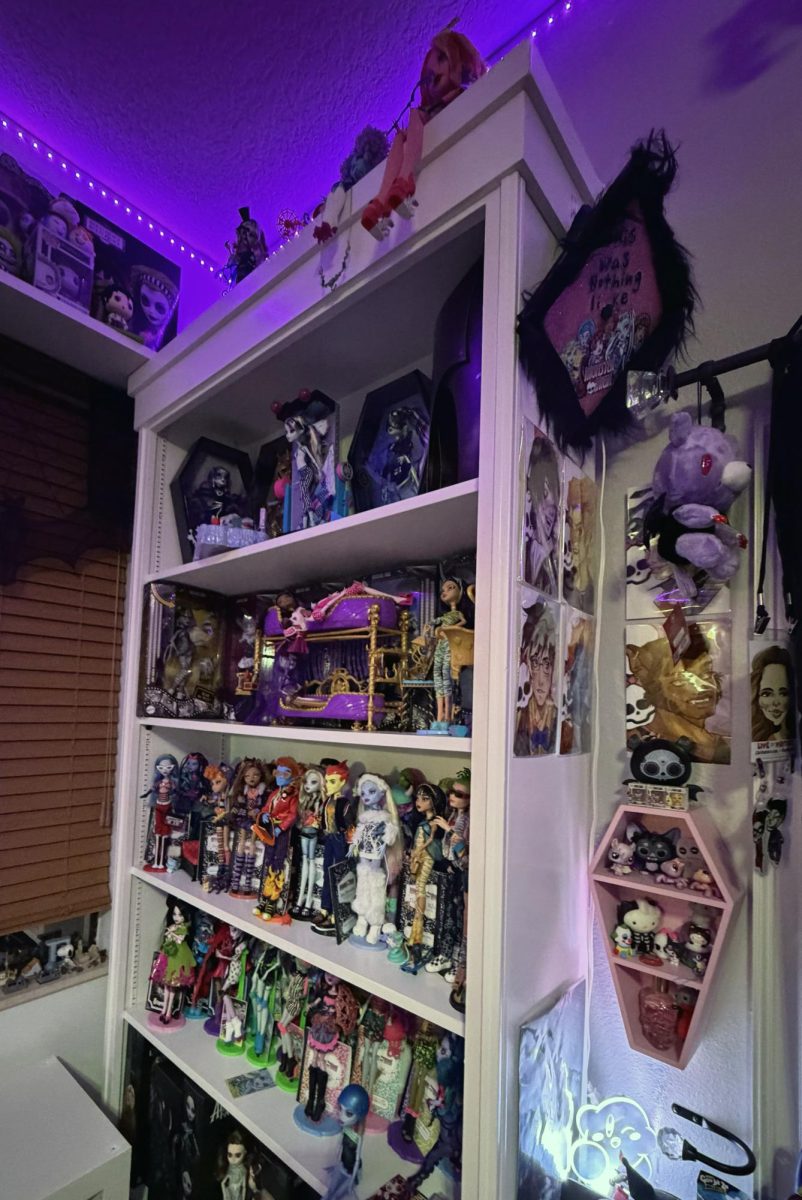
The 2000s and 2010s brought Bratz and Monster High — lines featuring characters in trendy, sometimes revealing fashions. Both received significant backlash from parents who felt the dolls promoted inappropriate clothing and values. Yet each brand also carried a message: Bratz celebrated urban style and confidence, while Monster High encouraged acceptance of those who are different. For their target audience, those were meaningful ideas.
The intensity of parental responses to fashion dolls reflects a broader truth: Dolls are not neutral objects. They carry cultural messages, and children absorb them.
A 1997 study cited in the documentary “The Mickey Mouse Monopoly” examined whether children took behavioral cues from the media they consumed. Using “Beauty and the Beast” as its subject, researchers found that most children said Belle should return to the Beast even after he was violent toward her — suggesting children internalize the values mod- eled by the stories and characters they engage with. The same logic applies to toys.
This is why so many parents were alarmed by Bratz and Monster High — the fear being that children who played with them would adopt certain fashion ideals. It also explains the long-held resistance to boys playing with dolls, rooted in anxieties about gender conformity. In many households, action figures or toy cars were considered more appropriate alternatives.
That resistance, however, may overlook the genuine developmental benefits of doll play. A baby doll can help young children develop empathy and nurturing instincts. A fashion doll can encourage aspiration, imagination and a sense of identity. Several college students interviewed for this story said they grew up play- ing with Barbie or Monster High. “Playing with dolls helped me develop social skills and a sense of self,” one said.
The evidence suggests all dolls can carry both positive and potentially negative influences. What matters most may be the conversations caregivers have with chil- dren about what they play with — and whether those conversations encourage critical thinking alongside imaginative play.
A hundred years from now, children will almost certainly still be playing with dolls. The forms will change, and the debates will evolve. But the doll’s place in childhood is unlikely to disappear.